Wart Treatment
What Are Warts?
Warts are small, rough skin growths caused by the human papillomavirus (HPV). They occur when the virus enters the skin through tiny cuts or breaks in the skin barrier.
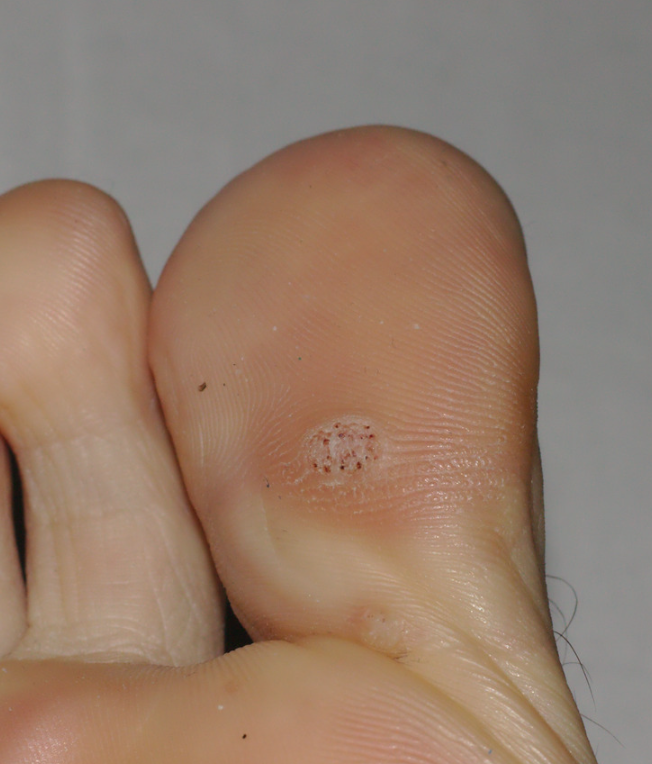
On the feet, warts are commonly known as plantar warts. Because they develop on weight-bearing areas of the foot such as the heel or ball of the foot, they can grow inward due to pressure when walking or standing.
Warts are very common and can affect people of all ages. They are also contagious, meaning they can spread through direct skin contact or by walking barefoot on contaminated surfaces such as swimming pools, gyms, or communal showers.
Signs and Symptoms
Plantar warts may present as:
A rough or thickened patch of skin on the sole of the foot
Small black dots within the wart (these are tiny clotted blood vessels)
Pain or tenderness when walking or applying pressure
A lesion that interrupts the natural skin lines of the foot
Hard skin forming over the wart due to pressure
Sometimes warts can be mistaken for corns or callouses, which is why professional assessment can be helpful.
How Can a Podiatrist Help?
Podiatrists are trained to diagnose and treat skin and nail conditions affecting the feet.
At Revival Podiatry, we carefully assess the lesion to confirm whether it is a wart and discuss the most suitable treatment options based on:
Size and location of the wart
Number of warts present
Pain level and symptoms
Previous treatments that may have been tried
Professional treatment can help reduce pain, improve comfort when walking, and speed up resolution compared with untreated warts.
Wart Treatment Options
Treatment may very depending on the individual case. Common options include:
Debridement
Thickened skin covering the wart is gently reduced using sterile instruments. This can help relieve pressure and allow treatments to work more effectively.
Topical Treatments
Certain medical-grade topical treatments may be applied to the wart to help destroy infected skin cells and stimulate the body’s immune response.
Swift Microwave Therapy
Swift therapy is a modern and highly effective treatment for stubborn plantar warts.
This technology delivers controlled microwave energy directly into the wart tissue. The energy stimulates the body’s immune system to recognise and fight the HPV virus responsible for the wart.
Benefits of Swift therapy include:
Quick treatment sessions (usually only a few minutes)
No need for anaesthetic or dressings
Minimal downtime after treatment
High success rates for persistent warts
Most patients require a series of treatment spaced a few weeks apart.
For more information on Swift Microwave Therapy
Laser Therapy
Laser therapy is another advanced option used to treat persistent or difficult plantar warts.
This treatment uses focused light energy to target the small blood vessels that supply the wart. By disrupting this blood supply, the wart tissue gradually breaks down and the body can clear the infection more effectively.
Laser treatment is often considered when warts are stubborn, painful, or resistant to other treatments.
Benefits of Laser therapy include:
Targeted treatment that focuses directly on wart tissue
Useful for persistent or treatment-resistant warts
Minimal damage to surrounding healthy skin
Can be used when other treatments have not been successful
May reduce the risk of the wart spreading
When Should You Seek Treatment?
You should consider seeing a podiatrist if:
The wart is painful when walking
It continues to grow or spread
Home treatments have not been effective
You are unsure whether the lesion is a wart
You have diabetes or compromised circulation
Early treatment can often make warts easier to manage and prevent them from spreading.