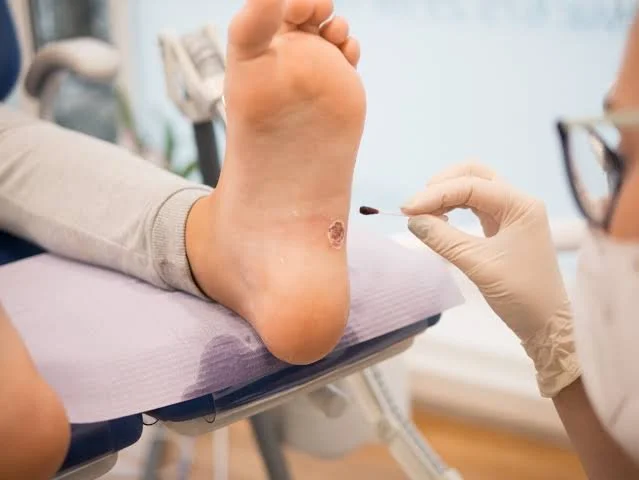
High Risk Wound Management
At Revival Podiatry, we provide comprehensive assessment and management of high-risk feet and lower limb wounds. Early intervention is essential to reduce the risk of infection, delayed healing, hospitalization and, in severe cases, amputation.
Our podiatrists work closely with your GP, endocrinologist, vascular surgeon, wound care nurse and other healthcare professionals to provide coordinated, evidence-based care that supports healing and protects your long-term foot health.
Whether you have diabetes, poor circulation, nerve damage or a wound that isn’t healing, we’re here to help.
What Is a High-Risk Foot?
A high-risk foot is one that has an increased likelihood of developing wounds, infection or other serious complications due to underlying medical conditions.
Factors that increase your risk include:
Diabetes
Peripheral neuropathy (loss of feeling in the feet)
Peripheral arterial disease (poor circulation)
Previous foot ulceration
Previous amputation
Foot deformities such as bunions, claw toes or Charcot foot
Kidney disease
Reduced mobility
Poor vision that makes self-foot care difficult
If you have one or more of these risk factors, regular podiatry care is essential to help prevent complications before they occur.
Wounds We Commonly Manage
Our podiatrists assess and manage a wide range of lower limb wounds, including:
Diabetic foot ulcers
Pressure ulcers
Neuropathic ulcers
Venous leg ulcers
Arterial ulcers
Traumatic wounds
Post-surgical wounds
Skin tears
Slow-healing wounds
Foot wounds caused by friction or ill-fitting footwear
Every wound is carefully assessed to determine the underlying cause, as successful healing depends on addressing more than just the wound itself.
Comprehensive Wound Assessment
At your appointment, we’ll perform a detailed assessment that may include:
Measuring the size and depth of the wound
Assessing the wound bed and surrounding skin
Looking for signs of infection
Assessing blood flow and circulation
Testing protective sensation (nerve function)
Identifying pressure points contributing to the wound
Reviewing footwear and activity levels
Assessing your overall risk of future complications
Where appropriate, we may recommend referral for further investigations or liaise directly with your GP or specialist.
Our Wound Management Approach
Every wound is different, and treatment is tailored to your individual needs.
Management may include:
Wound Debridement
Removing dead or unhealthy tissue helps create a healthy wound environment and supports the body’s natural healing process.
Dressing Selection
We use evidence-based wound dressings chosen according to the type of wound, the amount of drainage and the stage of healing.
Dressings are reviewed regularly and adjusted as the wound progresses.
Pressure Offloading
Reducing pressure is often one of the most important parts of healing foot ulcers.
Depending on your condition, this may include:
Padding
Felt offloading
Pressure-relieving footwear
Custom orthoses
Moon boots or other offloading devices where appropriate
Infection Monitoring
Early recognition of infection is critical.
We carefully monitor for signs of infection and will communicate promptly with your GP if antibiotics, imaging or specialist referral are required.
Preventing Recurrence
Healing the wound is only part of the journey.
Once your wound has healed, we work with you to reduce the risk of future ulceration through regular monitoring, footwear advice, pressure management and ongoing podiatry care.
Diabetic Foot Care
People living with diabetes are at increased risk of developing foot complications due to reduced sensation and impaired circulation.
Regular podiatry assessments can help identify problems before they become serious.
We provide:
Comprehensive diabetic foot assessments
Risk screening
Routine nail and skin care
Callus reduction
Footwear assessment
Pressure redistribution
Education on daily foot care
Ongoing monitoring for patients at increased risk
Why Choose Revival Podiatry?
Managing high-risk feet requires experience, attention to detail and timely intervention.
Our podiatrists are committed to providing evidence-based care while working collaboratively with your healthcare team to achieve the best possible outcomes.
We understand that chronic wounds can be stressful and frustrating. Our goal is to support you throughout your healing journey with compassionate care, clear communication and personalized treatment.
If you have diabetes, poor circulation, nerve damage or a wound that isn’t healing, don’t wait for it to worsen.
Early assessment and treatment can significantly reduce the risk of complications and improve healing outcomes.