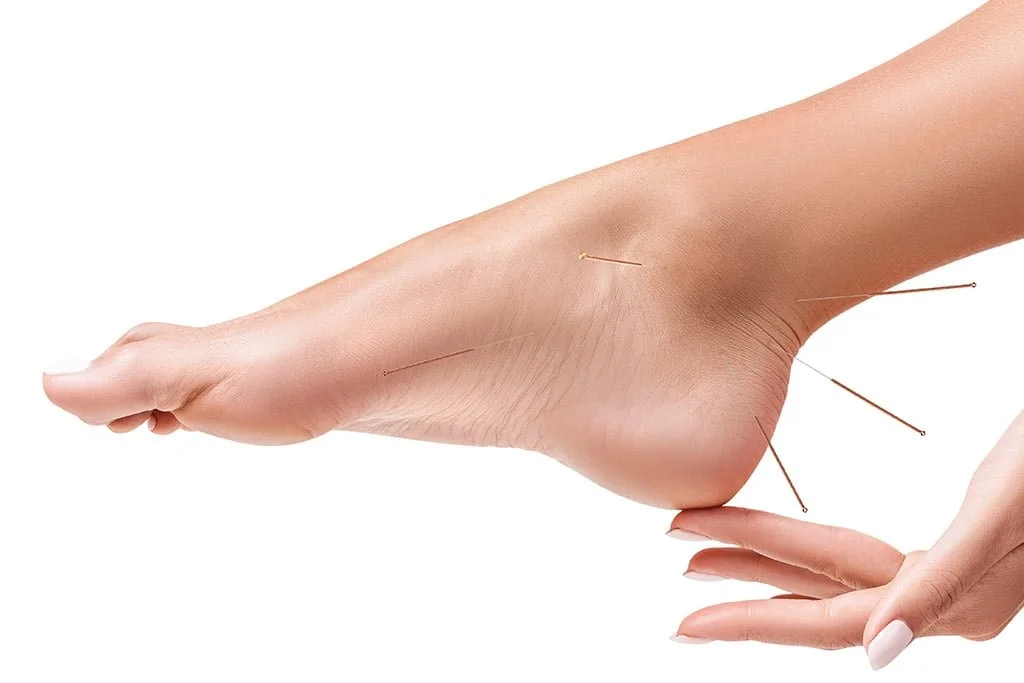
Relieve Muscle Pain & Improve Movement
Dry needling is an effective treatment technique used by our podiatrists to help reduce muscle pain, improve mobility and support recovery from a range of foot and lower limb conditions.
Whether you’re recovering from a sports injury, dealing with persistent heel pain, or experiencing tight calves that affect your walking or running, dry needling may form part of your personalized treatment plan.
At Revival Podiatry, dry needling is never used as a stand-alone treatment. Instead, it is combined with a thorough assessment, rehabilitation exercises and evidence-based management to address both your symptoms and the underlying cause of your pain.
What is Dry Needling?
Dry needling involves the insertion of very fine, sterile, single-use needles into tight or dysfunctional muscles, commonly known as myofascial trigger points.
These trigger points can contribute to:
Muscle tightness
Pain and tenderness
Reduced flexibility
Altered movement patterns
Referred pain to other areas
By targeting these muscles, dry needling may help reduce pain, improve muscle function and restore normal movement.
Unlike acupuncture, which is based on Traditional Chinese Medicine, dry needling is based on modern anatomy, biomechanics and current evidence. It focuses on treating muscles and soft tissues contributing to musculoskeletal pain and dysfunction.
How Can Dry Needling Help?
Dry needling may be beneficial for a range of lower limb conditions, including:
Plantar heel pain (plantar fasciopathy)
Tight calf muscles
Achilles tendinopathy
Shin splints (medial tibial stress syndrome)
Tibialis posterior dysfunction
Peroneal muscle tightness
Foot and ankle muscle pain
Running-related injuries
Calf strains
Muscle overload from sport or exercise
Your podiatrist will determine whether dry needling is appropriate after a comprehensive assessment.
What Happens During Treatment?
Your appointment begins with a thorough assessment of your symptoms, movement and lower limb biomechanics.
If dry needling is suitable, your podiatrist will:
Explain the procedure and answer any questions
Identify the muscles contributing to your symptoms
Insert fine sterile needles into selected trigger points
Leave the needles in place or gently stimulate them depending on your condition
Reassess your movement following treatment
Treatment is tailored to your comfort level and clinical presentation.
Does Dry Needling Hurt?
Most patients tolerate dry needling very well.
You may feel:
A small pinprick as the needle is inserted
A brief muscle twitch
A dull ache or cramping sensation within the muscle
These responses are normal and often indicate the targeted muscle has been stimulated.
Following treatment, it is common to experience mild muscle soreness similar to the feeling after a gym workout. This usually settles within 24 to 48 hours.
Is Dry Needling Safe?
Dry needling is considered a safe treatment when performed by appropriately trained healthcare professionals.
At Revival Podiatry, we use:
Sterile, single-use needles
Strict infection control procedures
Evidence-based treatment techniques
Before treatment, we’ll discuss your medical history to ensure dry needling is suitable for you.
When Might Dry Needling Not Be Suitable?
Dry needling may not be appropriate for everyone. Your podiatrist will discuss alternative treatment options if you:
Have a needle phobia
Have certain bleeding disorders
Are taking specific blood-thinning medications
Have an active infection in the treatment area
Are pregnant (depending on the area being treated)
Have other medical conditions where dry needling may not be recommended
Dry Needling as Part of Your Recovery
While dry needling can provide effective pain relief, lasting results usually come from addressing the underlying cause of your symptoms.
For this reason, dry needling is often combined with:
Exercise rehabilitation
Footwear advice
Strengthening and mobility exercises
Custom foot orthoses where appropriate
Activity modification
Sports taping
Education to help prevent recurrence
Our aim is not simply to reduce pain today, but to help you move better and stay active in the long term.
If muscle tightness or lower limb pain is affecting your daily activities, work or sport, our experienced podiatrists can determine whether dry needling is right for you.