Callouses and Corns
What Are Callouses?
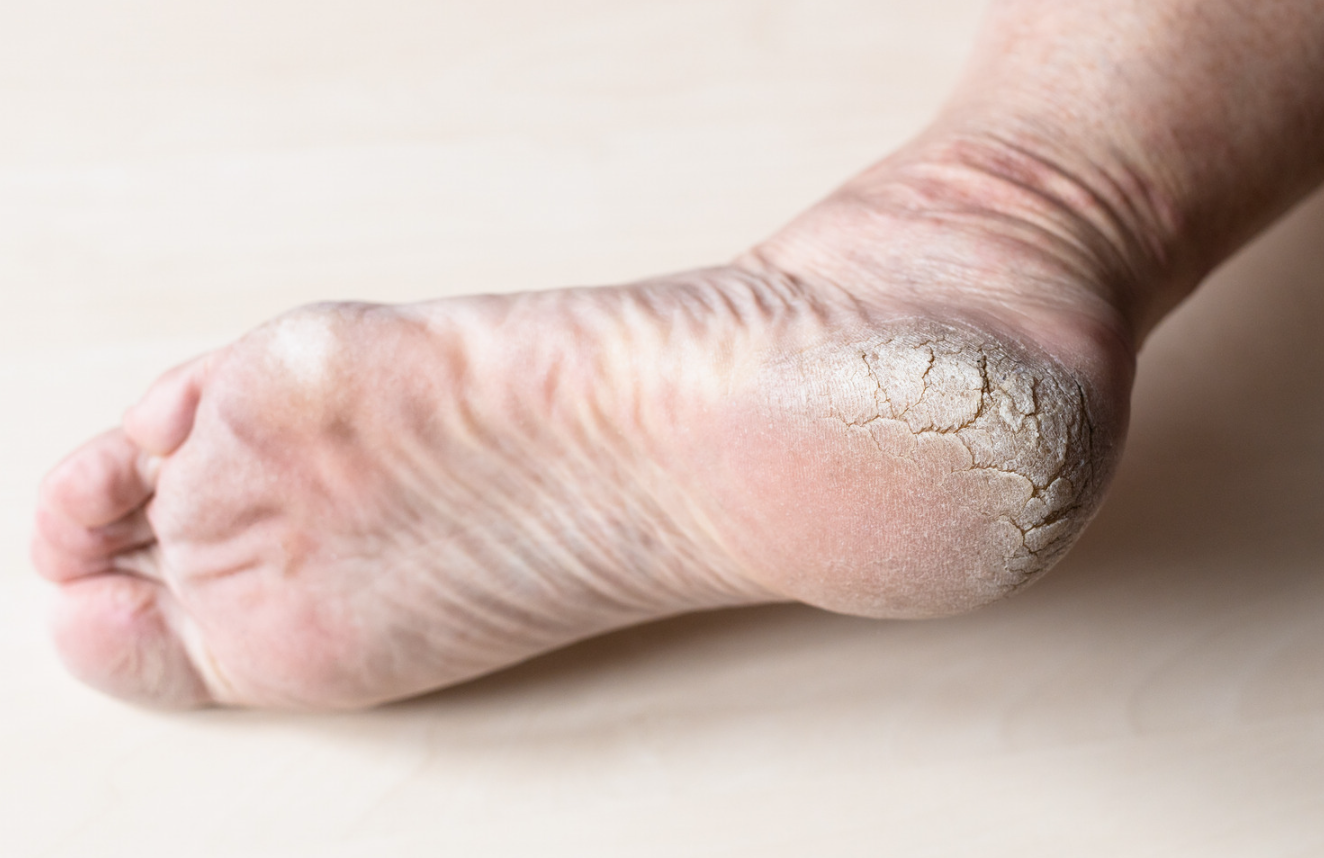
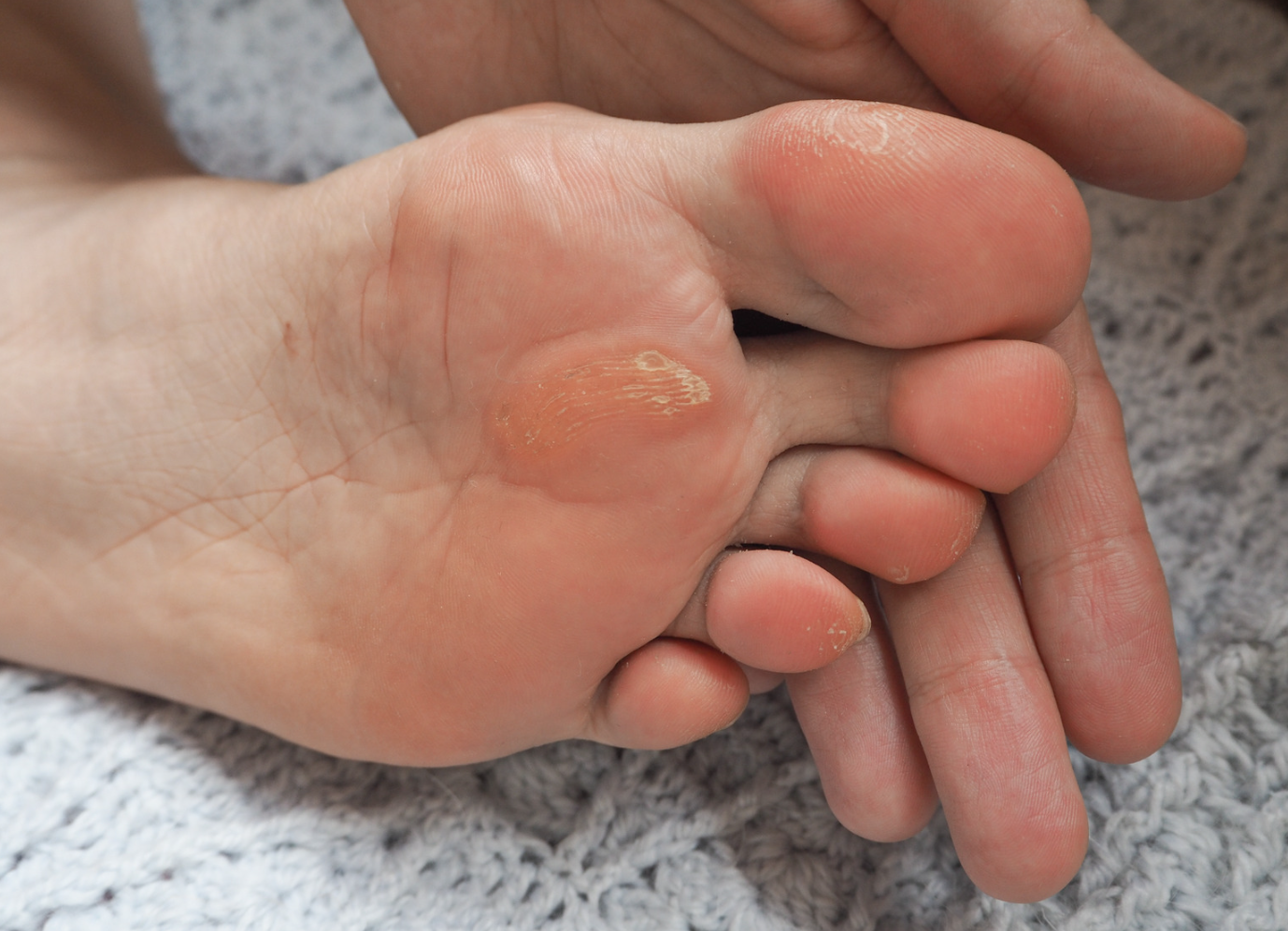
Callouses are areas of thickened, hardened skin that develop as the body’s natural response to repeated pressure or friction.
They most commonly occur on weight-bearing areas of the feet such as:
The heels
The balls of feet
The sides of toes
Underneath prominent joints
When excessive pressure is placed on a certain part of the foot over time, the skin responds by building up layers to protect itself.
While this is a normal defence mechanism, too much callous can become painful, dry, cracked, and may even lead to skin breakdown or infection if left untreated.
What Are Corns?
Corns are similar to callouses but are:
Smaller
Deeper
Often have a hard central core
They typically form on areas of the foot that don’t normally bear weight, such as:
The tops of toes
Between toes
On bony prominences
Because of their depth and central core, corns can feel like you are “walking on a stone” and may become extremely tender when pressure is applied.
What Causes Callouses and Corns?
Common causes include:
Poorly fitted footwear
High heels or narrow shoes
Foot deformities (e.g. bunions or hammertoes)
Abnormal foot biomechanics
Walking or standing for long periods
High-pressure areas from the way you walk
Without addressing the underlying cause, callouses and corns will often continue to return even after temporary removal.
How Can a Podiatrist Help?
At Revival Podiatry, our Podiatrists not only remove painful callouses and corns, but also identify why they are forming in the first place.
Treatment may include:
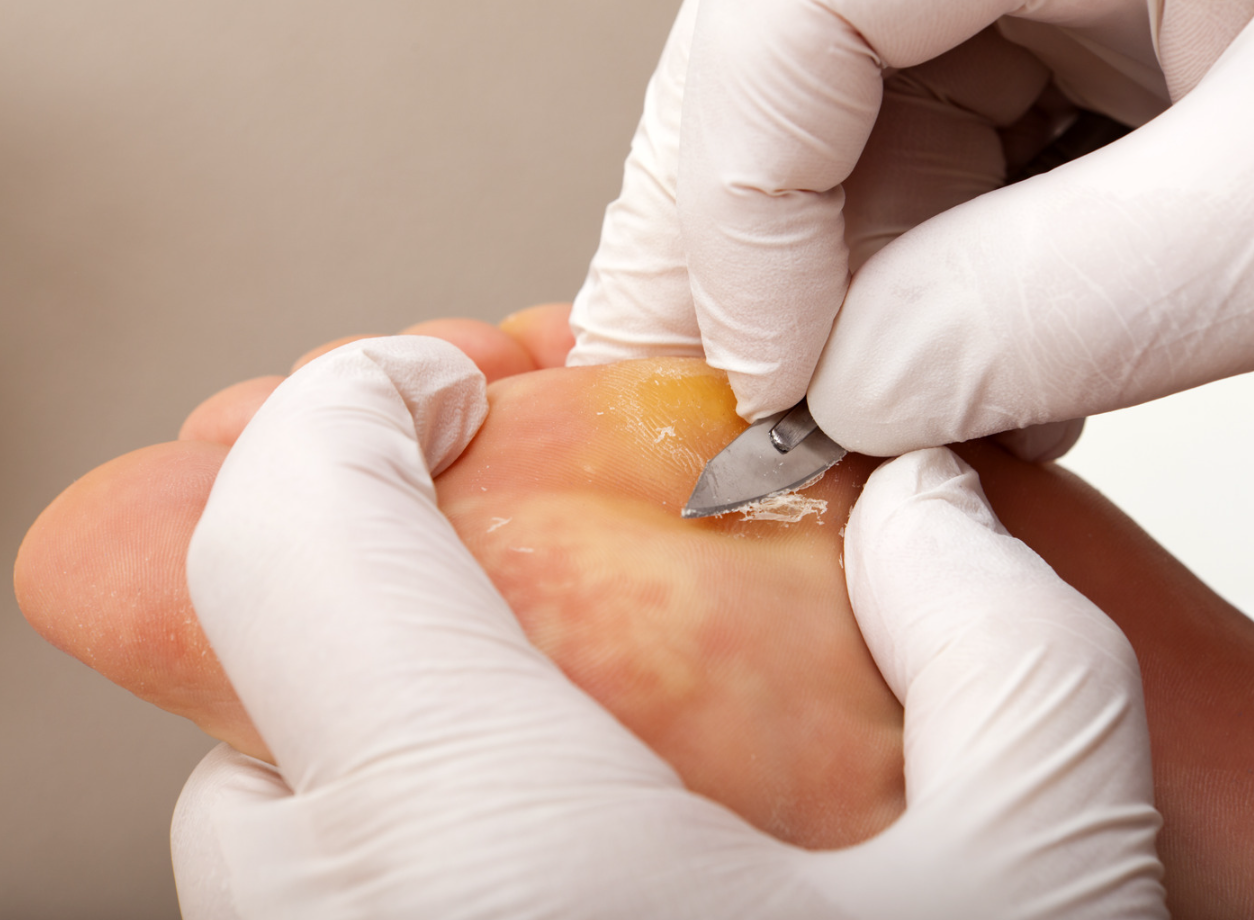
Professional Debridement
Safe and sterile removal of thickened skin using specialised instruments to reduce pain and pressure immediately
Pressure Offloading
Use of padding, silicone toe props, or protective devices to relieve high-pressure areas
Footwear Advice
Recommendations on appropriate footwear to prevent recurrence
Orthotics Therapy
Custom foot orthotics may be prescribed to redistribute pressure more evenly across the foot and prevent excessive friction
Ongoing Preventative Care
Routine Podiatry visits to keep skin healthy and reduce the risk of cracks, wounds, or infection - especially important for patients with diabetes or poor circulation.
Why You Should Avoid DIY Treatment
Attempting to cut or shave corns and callouses at home can:
Cause injury to healthy skin
Lead to infection
Increase the risk of ulceration (especially for diabetic patients)
Over-the-counter corn pads may also contain acids that can damage surrounding skin and worsen the condition. Seeing a Podiatrist ensures safe treatment and long-term prevention.
When Should You See a Podiatrist
You should book an appointment if you experience:
Pain when walking
Thickened or hard skin build-up
Cracked heels
Tender spots on your toes or feet
Recurring corns or callouses
Early treatment can prevent complications and keep you comfortably on your feet.